

Overview
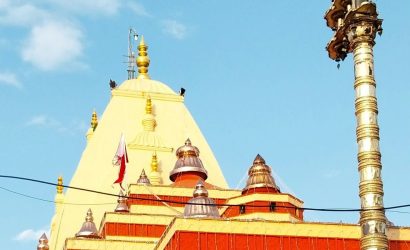
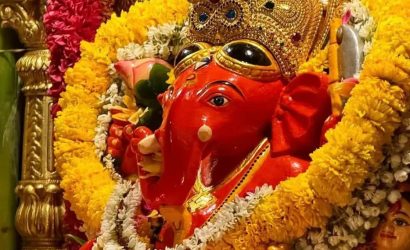
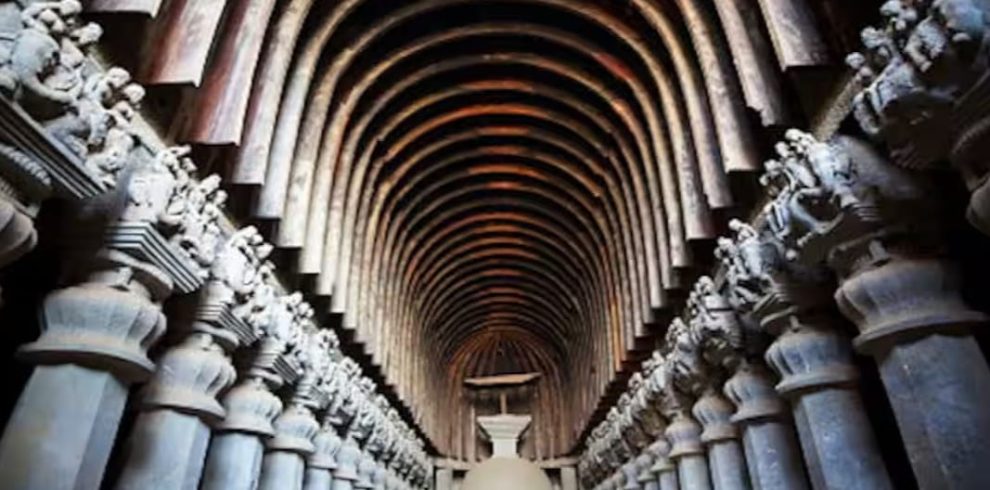
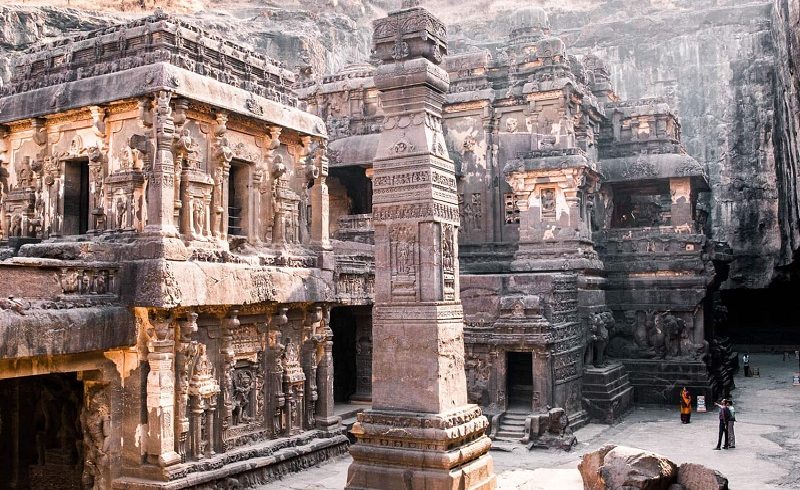
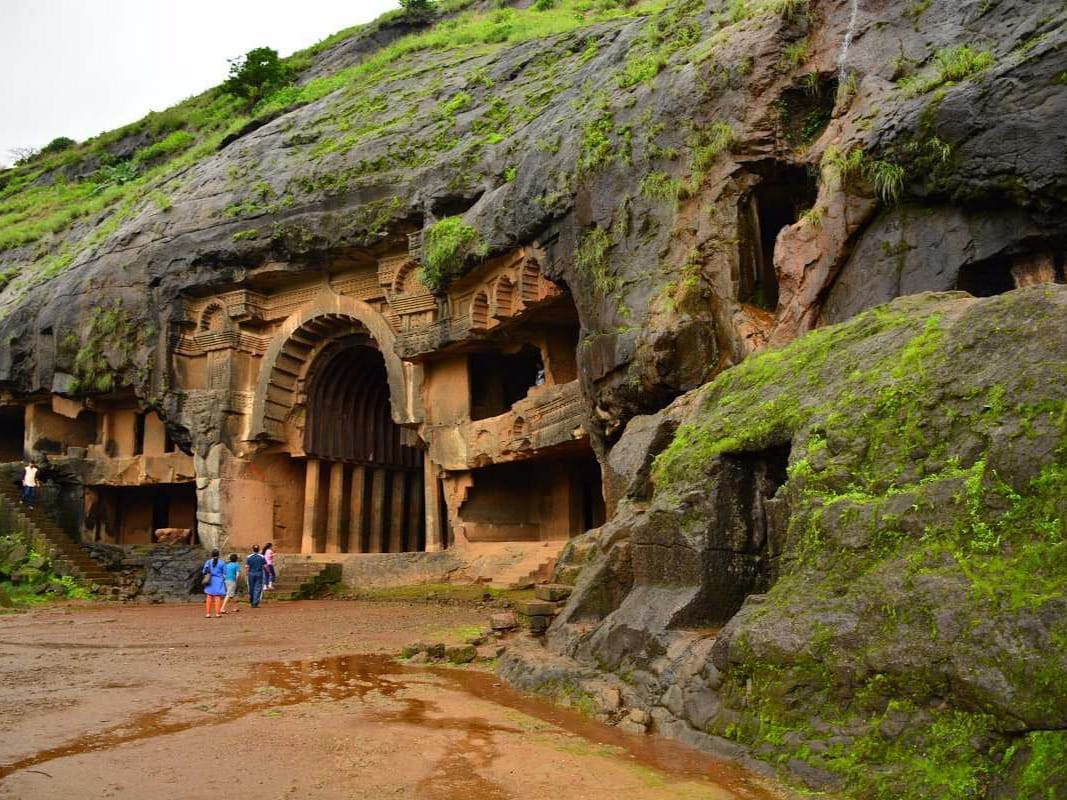
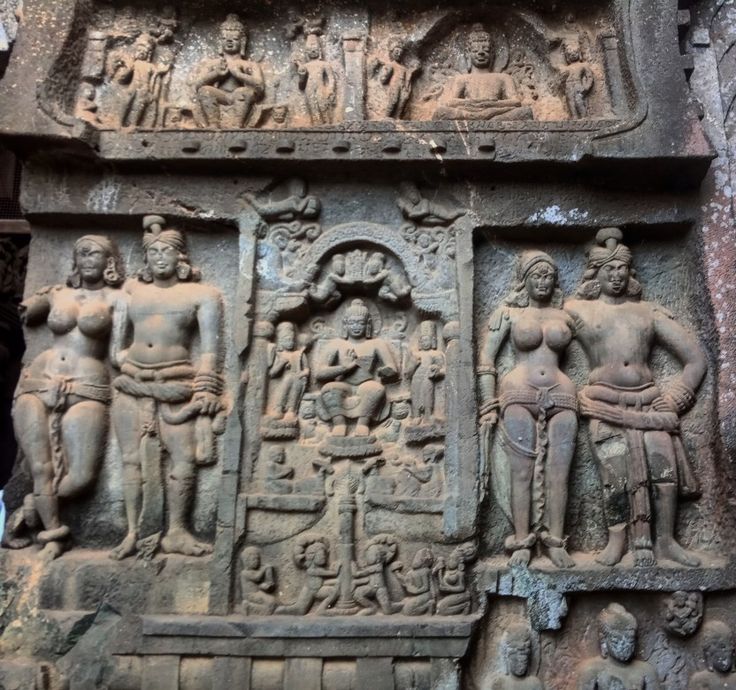
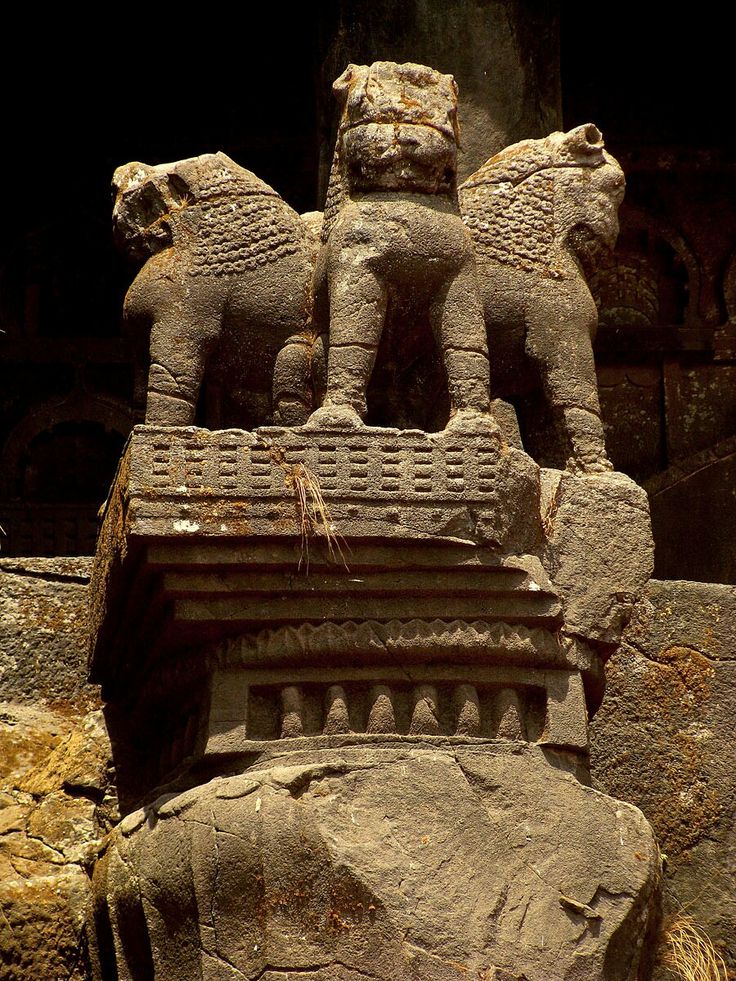
The Karla Caves sit near Lonavala in Maharashtra. They lie on the old trade route from the Arabian Sea to the Deccan plateau. These caves date from the 2nd century BCE to the 5th century CE. They are some of the earliest and finest Buddhist rock-cut caves in India. The main hall is Cave 8, called the Grand Chaitya. It is one of the largest rock-cut prayer halls in India. The hall is 45 meters long and 15 meters high. It has 37 carved octagonal pillars. Those pillars once held wooden umbrellas. A huge horseshoe-shaped window lights up the stupa inside. These caves follow Hinayana Buddhism. So you will not find Buddha idols here. Instead, there are stupas and symbols. Inscriptions mention gifts from traders and Yavanas, or Indo-Greeks. That shows global links during Satavahana times. The site also has monks’ rooms called viharas. At the entrance stands the Ekvira Devi Temple. So it is still a living worship site today. Karla shows how early Buddhists copied wooden halls into permanent stone.
Top Highlights
- Largest Chaitya Hall
- Trade Route Link
- Rock-cut Stupa
- Ekvira Temple